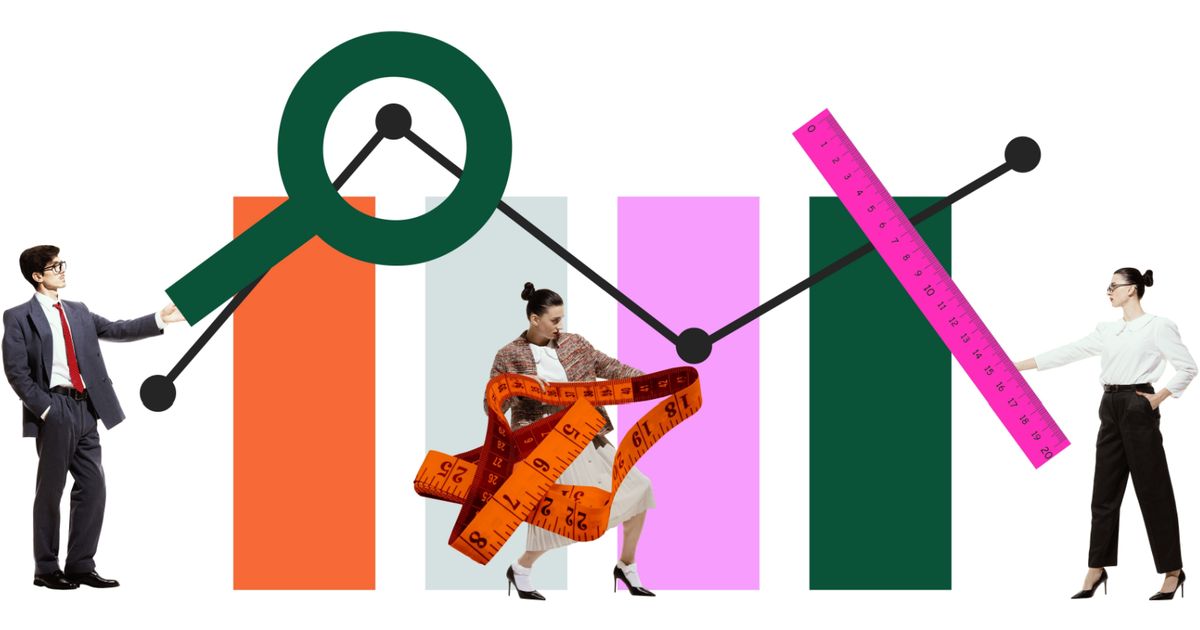
Most large organizations already have more data than they can use. Internal data lakes, syndicated subscriptions, market feeds, news, filings, transcripts, the raw material is abundant and growing. What's scarce is the ability to turn that ocean of data points into a clear, decision-ready conclusion. The hard part of research was never gathering. It was synthesis.
AI is transforming exactly that layer. By processing volumes no human team could read and surfacing patterns across them, AI synthesis converts scattered data into intelligence, and frees human experts to do the judgment work that follows. This guide explains how it works and where its limits are.
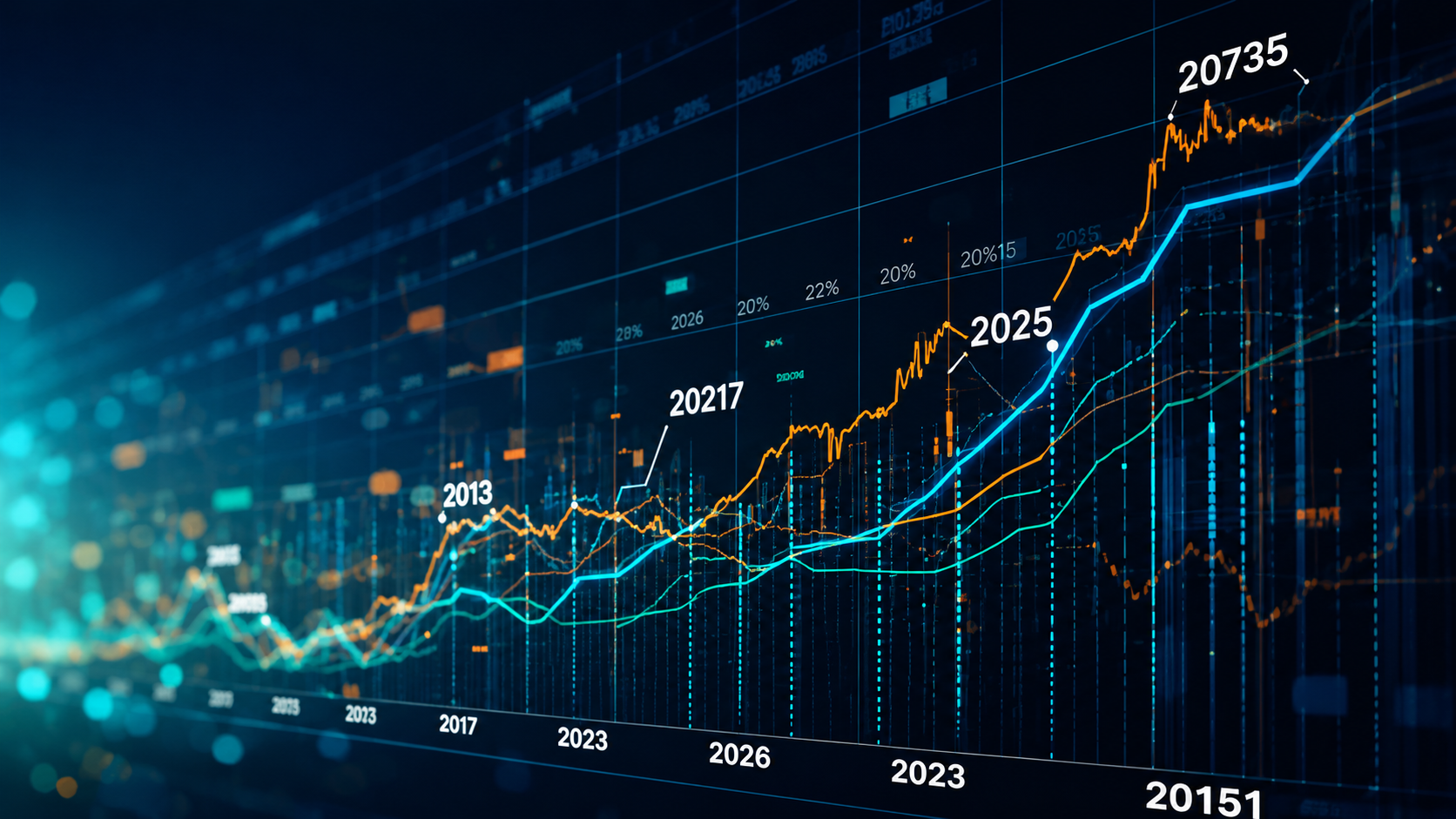
Millions of data points synthesized in moments, the kind of volume that turns "we have the data somewhere" into "here's what it means."
The synthesis bottleneck
For most of research history, the constraint was access, data was expensive and scarce, so gathering it was the hard part. That era is over. Today data is abundant and cheap, and the constraint has moved downstream to synthesis: making sense of it all fast enough to matter. Analysts can only read so much, hold so many variables in mind, and connect so many dots before the market moves on.
This is the bottleneck AI breaks. When synthesis is the constraint, a tool that synthesizes at machine scale changes everything.
What AI synthesis actually does
AI synthesis ingests large, messy, multi-source data and produces structured understanding. In practice it:
- Reads at scale: processing thousands of documents, datasets, and signals that no human team could cover.
- Connects across sources: linking a regulatory filing to a news event to a pricing change to a sentiment shift.
- Distills: compressing volume into the handful of patterns that actually matter.
- Monitors continuously: re-synthesizing as new data arrives, so the picture stays current.
The effect is to collapse days of analyst reading into minutes of structured output, a starting point for judgment, delivered fast.
Patterns humans miss
The most valuable thing AI synthesis offers isn't just speed, it's coverage. Humans, constrained by attention, naturally focus on the sources and signals they already expect to matter. AI has no such bias of attention: it can weigh every source evenly and surface correlations no analyst was looking for, the weak signal in an overlooked dataset, the connection across domains that no single specialist would have spanned.
Humans see the patterns they're looking for. AI can surface the ones nobody thought to look for.
AI's edge isn't only that it's faster, it's that it's unbiased by attention, catching weak and cross-domain signals that human focus naturally filters out.
Where human judgment completes the loop
AI synthesis produces patterns, not decisions. A surfaced correlation isn't automatically meaningful, someone has to ask whether it's causal or coincidental, whether it matters for this business, and what to do about it. That's where human judgment, business context, and accountability re-enter, and where primary research validates whether the AI's pattern holds in the real world.
The full loop is: AI synthesizes the what at scale → humans interpret the so what in context → primary research validates → a decision gets made. Each stage is essential; skipping the human stages turns a powerful tool into a confident guess.
AI synthesis is the start of the analysis, not the end. Its output is raw material for human judgment and primary validation, not a substitute for them.
A worked example
An enterprise weighing entry into India's electric two-wheeler market has data scattered everywhere, registration figures, subsidy notifications, news on charging rollout, competitor filings, social sentiment. AI synthesis reads all of it in minutes and surfaces a non-obvious cross-domain pattern: sales momentum tracks state-level subsidy changes far more tightly than fuel prices. That's a genuinely useful lead no single analyst staring at one dataset would likely have caught. But it's still only a pattern. A human then asks whether it's causal, commissions a handful of dealer interviews to test it, and confirms that buyers in subsidy-heavy states are indeed timing purchases to policy, turning an AI-surfaced correlation into a go-to-market timing decision.
Frequently asked questions
What is AI data synthesis?
The use of AI to ingest large, multi-source data and produce structured understanding, reading at scale, connecting across sources, and distilling the patterns that matter, far faster than human teams.
Why is synthesis harder than data collection?
Because data is now abundant and cheap, while making sense of it fast enough to act remains hard. The bottleneck has shifted from gathering data to interpreting it.
Can AI find patterns humans miss?
Yes. Unconstrained by attention bias, AI can weigh every source evenly and surface weak or cross-domain signals that specialized human focus tends to overlook.
Does AI synthesis replace analysts?
No. It produces patterns, not decisions. Humans interpret those patterns in context, validate them with primary research, and own the resulting recommendation.
How do you know an AI-surfaced pattern is real?
Treat it as a hypothesis, not a finding. Check whether the correlation is causal or coincidental, whether it matters for your specific decision, and validate it against primary evidence, a few targeted interviews or a focused data check, before acting on it.
Future outlook
As AI synthesis becomes standard, the competitive question shifts from "who can gather the data?" to "who can act on it fastest and most wisely?" The technology raises the synthesis floor for everyone, which means the differentiators become the quality of the questions you ask, the primary insight you add, and the judgment you apply to the patterns AI surfaces.
The data points were always there. The advantage goes to whoever turns them into the right decision first.
Key takeaways
- The research bottleneck has shifted from collection to synthesis, and AI breaks it.
- AI reads at scale, connects across sources, and surfaces overlooked patterns.
- Its edge includes being unbiased by attention, catching weak signals.
- Human judgment and primary validation complete the loop from pattern to decision.
Turn your data into decisions.
Zapulse's ZARC AI engine synthesizes thousands of data points instantly, then our analysts and expert network convert patterns into validated, decision-ready intelligence.
Talk to our analystsRelated reading: How AI Is Rewiring Market Research · Data Mining & Analytics services
By Zapulse Research Team · Published Jun 15, 2026 · 7 min read · AI & Technology